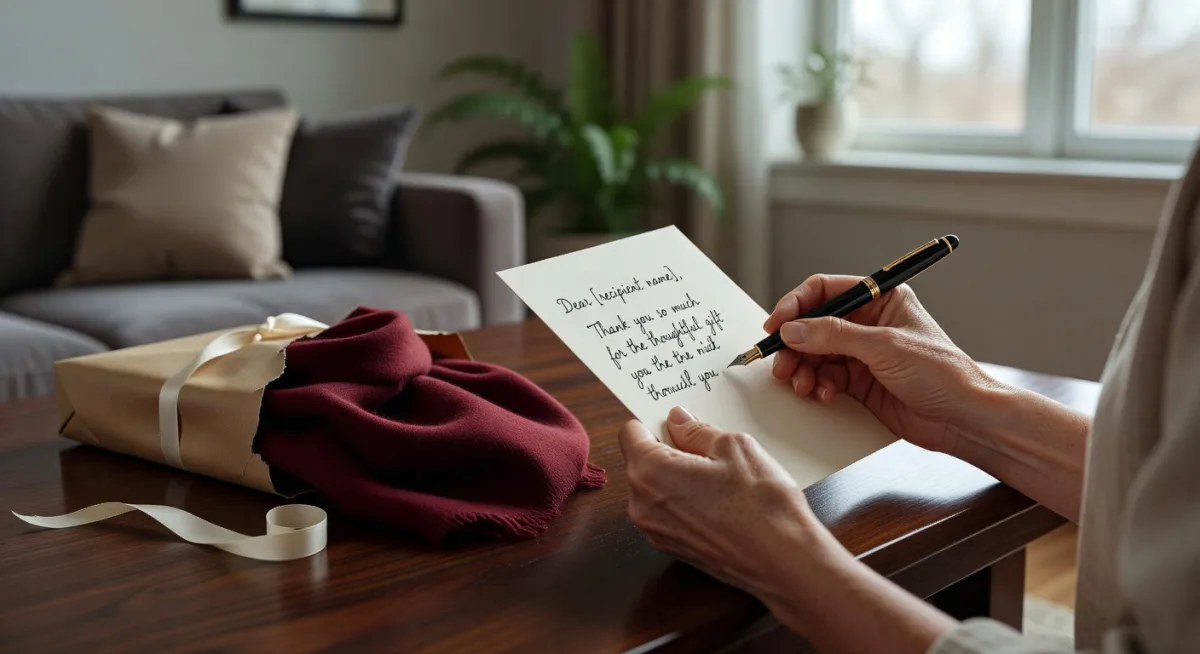
For gift shoppers, philanthropists, and those passionate about spreading love, understanding cultural nuances is key to meaningful giving. When it comes to giving tips in Japan, the art of presenting gifts or contributing to charitable causes requires sensitivity and respect for traditions. Japan's unique customs around generosity emphasize thoughtfulness, humility, and connection. This article dives deep into how to give with grace in this cultural context.
- Research Japanese gift-giving etiquette before choosing items.
- Wrap gifts beautifully to show care and respect.
- Avoid taboo numbers like four in gift quantities.
- Consider seasonal or cultural occasions for giving.
- Support local charities for meaningful impact.
- Present gifts with both hands as a sign of respect.
- Express gratitude when giving or receiving gifts.
Understanding the Importance of Giving Tips in Japan
Gift-giving in Japan is more than a simple exchange. It's a profound expression of respect, gratitude, and social harmony. For gift shoppers eager to make an impression, knowing these cultural layers adds depth to every gesture. Thoughtful givers find that a well-chosen gift can strengthen bonds.
Philanthropists also benefit from understanding these traditions. Charitable giving in Japan often ties to community values and mutual support. Donors who align with these principles create lasting impact. Respect for local customs amplifies the effect of generosity.
Spreading love through giving requires cultural awareness. In Japan, gifts often carry symbolic meaning beyond their material value. A poorly chosen item can unintentionally offend. Gift-giving experts suggest learning basic etiquette to avoid missteps.
For those who love giving, Japan offers unique opportunities. Seasonal events like Oseibo and Ochugen highlight structured gift-giving moments. Navigating these occasions with care shows genuine intent. This approach resonates deeply with Japanese recipients.
Gift-Giving Etiquette: Key Rules to Follow
When exploring giving tips in Japan, etiquette stands at the forefront. Gifts must be presented with humility and respect. Always use both hands when offering a gift. This small act signals sincerity to the recipient.

As an Amazon Associate, we earn from qualifying purchases.
Wrapping is equally crucial for gift shoppers. Japanese culture values aesthetics in presentation. A beautifully wrapped gift shows thoughtfulness and effort. Avoid white flowers in wrapping, as they symbolize mourning.
As an Amazon Associate, we earn from qualifying purchases.
Numbers matter in Japanese gift-giving. Avoid giving items in sets of four, as it's linked to death. Instead, opt for odd numbers like three or five. Philanthropists and givers find this rule easy to apply.
Timing also plays a role in giving. Gifts are often exchanged during specific seasons or life events. Weddings, funerals, and holidays have distinct customs. Understanding these moments ensures gestures feel appropriate and heartfelt.
Choosing the Right Gifts for Japanese Recipients
Selecting gifts in Japan requires careful thought for gift shoppers. Practical yet thoughtful items often resonate best. Think of high-quality food items or regional specialties. These choices reflect appreciation for local culture.
For those spreading love, consider the recipient's tastes. Personalized touches show deep care and attention. However, avoid overly personal items like clothing unless requested. Such gifts can feel intrusive in this context.
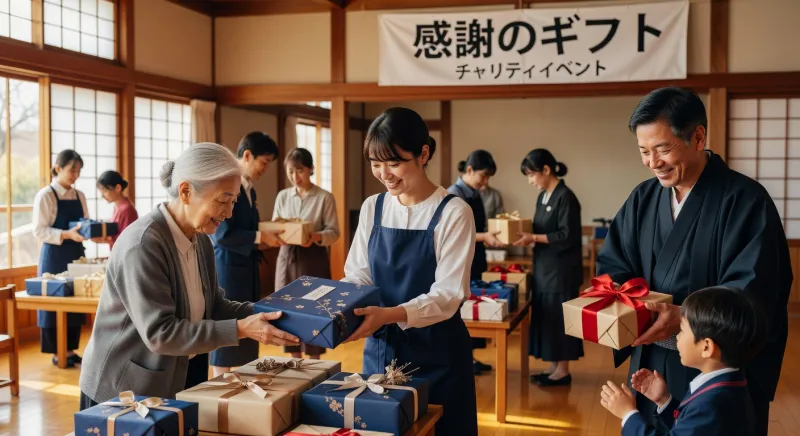
Philanthropists might focus on culturally significant contributions. Supporting local artisans through gift purchases benefits communities. This dual act of giving uplifts both recipient and creator. It's a powerful way to spread kindness.
Gift-giving experts recommend exploring options like those in unique gift ideas. Inspiration from curated lists ensures relevance. Additionally, aligning with Japanese values enhances the gesture. Thoughtful selection always leaves a lasting impression.
Charitable Giving in Japan: Making a Difference
Philanthropists eager to make an impact must grasp giving tips in Japan. Charitable contributions are deeply valued but follow specific cultural norms. Donations often support community rebuilding or disaster relief. These causes resonate with Japan's collective spirit.
Researching credible organizations is a vital step. Platforms like Charity Navigator help identify trustworthy charities. Ensuring funds reach genuine needs builds trust. This diligence honors the spirit of giving.
Another resource for impactful giving is GiveWell. It offers insights into effective programs worldwide. For Japan-specific causes, focus on local initiatives. Thoughtful givers prioritize transparency in their contributions.
Spreading love through charity in Japan often involves discretion. Public displays of donation are less common. Quietly supporting causes shows humility and respect. This approach aligns with cultural expectations and maximizes goodwill.
Seasonal and Cultural Occasions for Giving
In Japan, giving ties closely to seasonal and cultural events. Gift shoppers find opportunities during Oseibo, a year-end tradition. This custom involves thanking others for support. Small, thoughtful gifts express deep gratitude.
Ochugen, a mid-year gifting occasion, also holds significance. It's a time to honor relationships with tokens of appreciation. Food items or practical goods are popular choices. These gestures strengthen social ties.
Weddings and other life events offer giving moments too. Monetary gifts in special envelopes are customary. Ensure the amount reflects an auspicious number. Philanthropists can adapt this practice for meaningful impact.
For those who love giving, aligning with these occasions matters. Explore ideas through resources like charitable causes. Matching gifts to cultural moments shows respect. It also deepens the emotional connection of the act.
Common Mistakes to Avoid When Giving in Japan
Even with good intentions, mistakes can happen without proper giving tips in Japan. One common error is ignoring cultural taboos. For instance, sharp objects like knives symbolize cutting ties. Gift shoppers must avoid such items entirely.
Another misstep is giving without proper presentation. Unwrapped or poorly packaged gifts signal disrespect. Always invest time in thoughtful wrapping. This detail transforms a simple item into a cherished gesture.
Philanthropists sometimes overlook local preferences in donations. Large, public gestures may feel out of place. Instead, focus on quiet, impactful contributions. Charity professionals recommend aligning with community needs.
Lastly, failing to reciprocate can harm relationships. In Japan, receiving a gift often implies a future return. Those who love giving should note this expectation. Keeping track of exchanges ensures harmony and respect.
For trusted giving resources, visit Charity Navigator and GiveWell.
Frequently Asked Questions
What are the best gifts to give in Japan?
For gift shoppers and those spreading love, choosing the right gift in Japan involves cultural insight. High-quality food items, like seasonal fruits or sweets, are often appreciated. Regional specialties also show thoughtfulness and respect for local traditions. Avoid personal items unless specifically requested, as they can feel intrusive. Practical yet elegant gifts tend to resonate most. Always wrap them beautifully to enhance the gesture.
How do I present a gift properly in Japan?
Presenting a gift in Japan requires attention to detail for meaningful impact. Always offer the gift with both hands to show respect. Ensure it's wrapped neatly, as presentation matters greatly. Avoid opening the gift in front of the giver unless prompted. This practice reflects humility and appreciation. Thoughtful givers note these steps for positive impressions.
Are there specific numbers to avoid in Japanese gifts?
Yes, numbers play a significant role in giving tips in Japan. Avoid sets of four, as the number sounds like "death" in Japanese. Instead, choose odd numbers like three or five for positive connotations. This small detail prevents unintended offense. Gift shoppers should count items carefully before giving. It's a simple way to honor cultural norms.
Can I give money as a gift in Japan?
Monetary gifts are common in Japan, especially for weddings or funerals. Use special envelopes called "shugi-bukuro" for such occasions. Ensure the amount is an auspicious number, like 30,000 yen. Avoid amounts starting with even numbers, as they're less favorable. Philanthropists can adapt this for meaningful contributions. This custom shows respect for tradition.
What are some cultural occasions for giving in Japan?
Japan has several occasions tied to giving that delight those who love generosity. Oseibo and Ochugen are key times for expressing gratitude. Weddings, funerals, and births also call for specific gifts or money. Understanding these events helps tailor gestures appropriately. Aligning with cultural moments deepens the impact. It's a thoughtful way to connect.
Final Thoughts
Giving in Japan offers a beautiful way to spread love and build connections. By following these giving tips in Japan, gift shoppers, philanthropists, and passionate givers can ensure their gestures resonate deeply. Thoughtfulness, cultural respect, and attention to detail transform simple acts into meaningful experiences.
Explore more inspiration through resources like creative gift ideas. Take action by applying these insights to your next gift or charitable act. Small steps create lasting impact when guided by understanding.
Ultimately, giving is about heart and intention. Embrace Japan's traditions to honor relationships and communities. Every thoughtful gesture strengthens bonds and spreads kindness far and wide.


